Panelists and Speakers
A keynote and five panels spanning the history, proposals, risks, models, and future of the Article V convention. Click any name to read the full bio, or see the full schedule.
Opening Remarks · Friday, October 2 · 4:45 – 5:15 PM
Opening Remarks
Professor Lawrence Lessig and Michael Farris jointly open the conference and introduce the keynote.
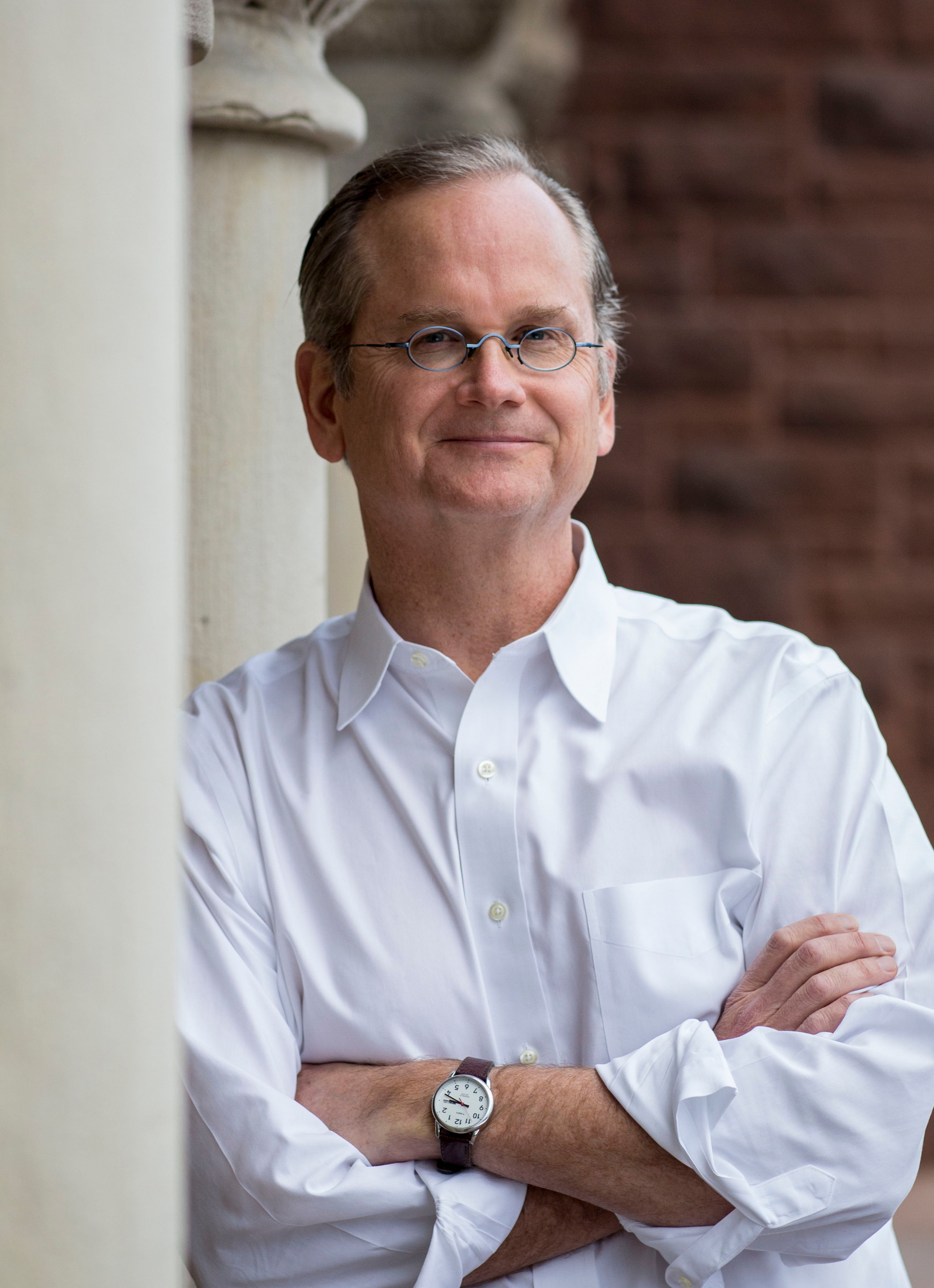 Lawrence Lessig
Roy L. Furman Professor of Law and Leadership, Harvard Law School
Lawrence Lessig
Roy L. Furman Professor of Law and Leadership, Harvard Law School
Lawrence Lessig is the Roy L. Furman Professor of Law and Leadership at Harvard Law School and a leading scholar of constitutional law, the regulation of cyberspace, and the corrupting influence of money in politics. He founded Creative Commons and, later, Equal Citizens, and his books include Code and Other Laws of Cyberspace, Free Culture, Republic, Lost, and They Don’t Represent Us. His essay “Making an Article V Convention Safe for Democracy” proposes pairing a convention with state citizen assemblies and delegate-binding rules to keep it tethered to majority will — a strategy that runs throughout this conference. He has argued before the U.S. Supreme Court and briefly sought the 2016 Democratic presidential nomination on a platform of democratic reform.
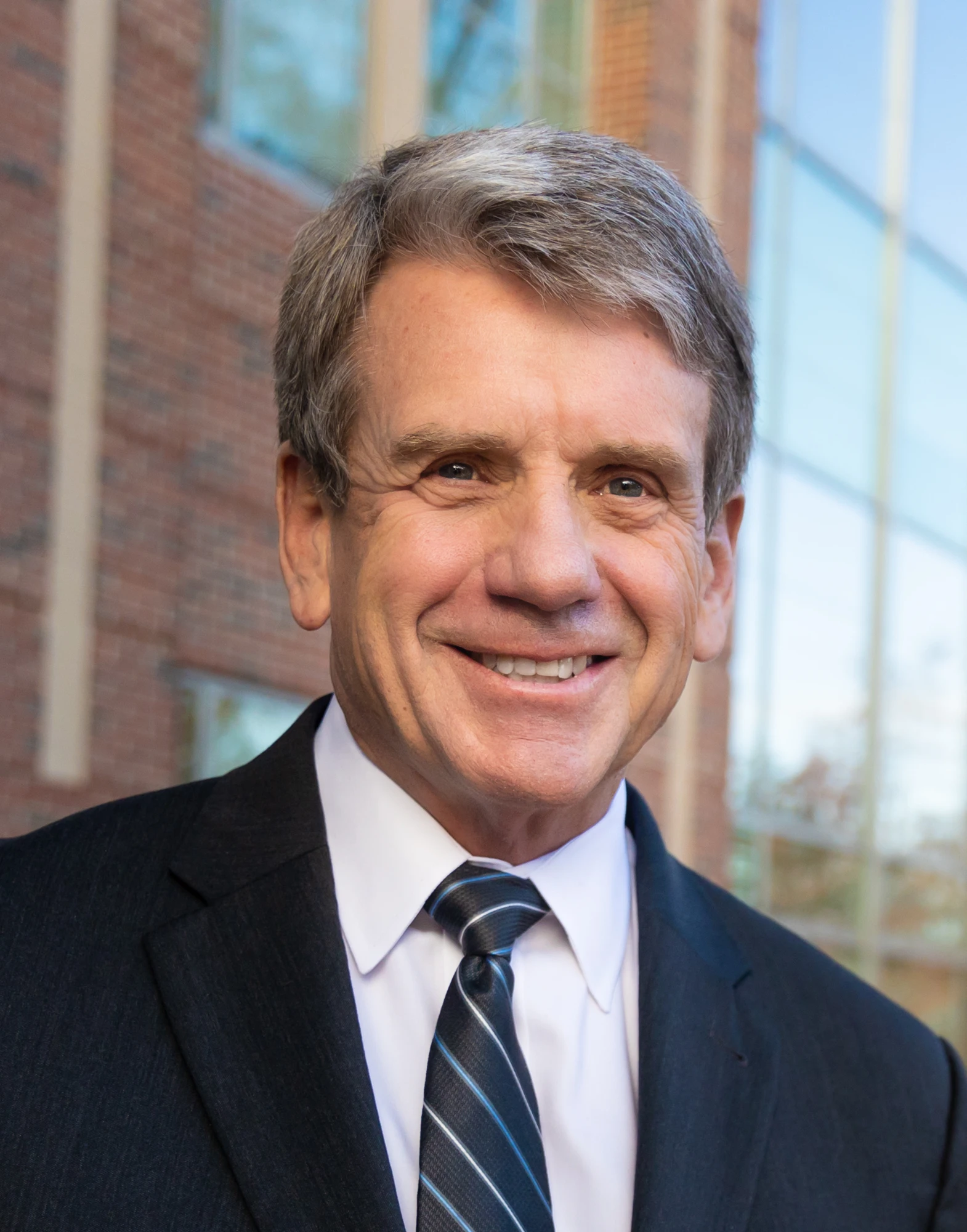 Michael Farris
Co-Founder and Senior Advisor, Convention of States Project
Michael Farris
Co-Founder and Senior Advisor, Convention of States Project
Michael Farris is co-founder and Senior Advisor of the Convention of States Project. A constitutional litigator, he has argued before the appellate courts of thirteen states, eight federal circuit courts of appeals, and twice before the Supreme Court of the United States, where in 2018 he successfully argued NIFLA v. Becerra. He is the founding president of Patrick Henry College and of the Home School Legal Defense Association, and previously served as president and CEO of Alliance Defending Freedom. He has written more than fifteen books, including a constitutional law textbook, along with numerous law review articles and pieces in the popular press.
Keynote · Friday, October 2 · 5:15 – 6:00 PM
Keynote Speech
 Jill LeporeKeynote
David Woods Kemper '41 Professor of American History, Harvard University · Staff writer, The New Yorker
Jill LeporeKeynote
David Woods Kemper '41 Professor of American History, Harvard University · Staff writer, The New Yorker
Jill Lepore is the David Woods Kemper '41 Professor of American History at Harvard University, Professor of Law at Harvard Law School, and an author with The New Yorker. Her most recent book, We the People: A History of the U.S. Constitution (Liveright, 2025), a New York Times bestseller, takes as its subject the question at the heart of Article V: what it means to live under one of the world's oldest and least-amended constitutions. She also directs Amend, a public archive of proposed amendments to the U.S. Constitution, documenting the thousands of changes Americans have sought and never secured. Her other books include the international bestseller These Truths: A History of the United States (2018) and The Deadline (2023), winner of the PEN prize for the Art of the Essay. A two-time Pulitzer finalist and winner of the Bancroft Prize, she holds a Ph.D. in American Studies from Yale.
Opening Remarks · Saturday, October 3 · 9:00 – 9:30 AM
Opening Remarks
Professor Lawrence Lessig and Michael Farris jointly open the second day of the conference.
Lawrence Lessig
Roy L. Furman Professor of Law and Leadership, Harvard Law School
Lawrence Lessig is the Roy L. Furman Professor of Law and Leadership at Harvard Law School and a leading scholar of constitutional law, the regulation of cyberspace, and the corrupting influence of money in politics. He founded Creative Commons and, later, Equal Citizens, and his books include Code and Other Laws of Cyberspace, Free Culture, Republic, Lost, and They Don’t Represent Us. His essay “Making an Article V Convention Safe for Democracy” proposes pairing a convention with state citizen assemblies and delegate-binding rules to keep it tethered to majority will — a strategy that runs throughout this conference. He has argued before the U.S. Supreme Court and briefly sought the 2016 Democratic presidential nomination on a platform of democratic reform.
Michael Farris
Co-Founder and Senior Advisor, Convention of States Project
Michael Farris is co-founder and Senior Advisor of the Convention of States Project. A constitutional litigator, he has argued before the appellate courts of thirteen states, eight federal circuit courts of appeals, and twice before the Supreme Court of the United States, where in 2018 he successfully argued NIFLA v. Becerra. He is the founding president of Patrick Henry College and of the Home School Legal Defense Association, and previously served as president and CEO of Alliance Defending Freedom. He has written more than fifteen books, including a constitutional law textbook, along with numerous law review articles and pieces in the popular press.
Panel I · Saturday, October 3 · 9:30 – 10:30 AM
ORIGINS: The History and Traditions of Article V
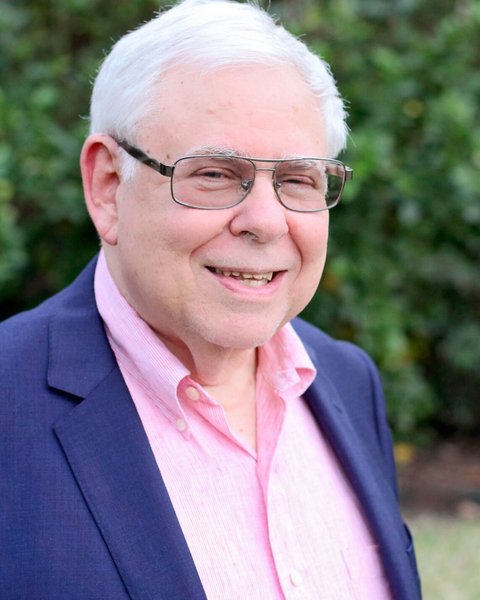 Sanford Levinson
Garwood Centennial Chair in Law, University of Texas at Austin
Sanford Levinson
Garwood Centennial Chair in Law, University of Texas at Austin
Sanford Levinson holds the W. St. John Garwood and W. St. John Garwood Jr. Centennial Chair in Law at the University of Texas at Austin, where he is also Professor of Government. He has been a regular visiting professor at Harvard Law School, most recently teaching a course on amending the Constitution by convention. He is among the nation's most prominent advocates of a new constitutional convention. Across Our Undemocratic Constitution (2006), Framed: America's 51 Constitutions and the Crisis of Governance (2012), and Fault Lines in the Constitution (with Cynthia Levinson, 3rd ed. 2025), he has argued that Article V is the Constitution's central defect — rendering the document effectively unamendable and, worse, foreclosing serious public debate about reform. He contributed to the National Constitution Center's 2025 Article V project and is a regular contributor to Balkinization. Elected to the American Academy of Arts and Sciences in 2001.
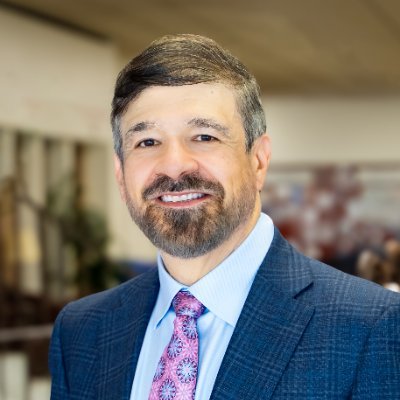 Michael Rappaport
Darling Foundation Professor of Law, University of San Diego School of Law
Michael Rappaport
Darling Foundation Professor of Law, University of San Diego School of Law
Michael B. Rappaport is the Hugh and Hazel Darling Foundation Professor of Law and Director of the Center for the Study of Constitutional Originalism at the University of San Diego School of Law, where he serves as 2025–2026 University Professor. He is a leading originalist scholar of the amendment process. In "Reforming Article V: The Problems Created by the National Convention Amendment Method and How to Fix Them" (Virginia Law Review, 2010) and "The Constitutionality of a Limited Convention: An Originalist Analysis" (Constitutional Commentary, 2012), he argues that the Constitution's original meaning permits states to apply for a convention limited to a single subject — and that a "runaway" convention would therefore be unconstitutional, its products legal nullities. He authored the Article V essay for the National Constitution Center's Interactive Constitution and contributed to its 2025 Article V project. With John McGinnis, he co-authored Originalism and the Good Constitution (Harvard, 2013). J.D. and D.C.L., Yale.
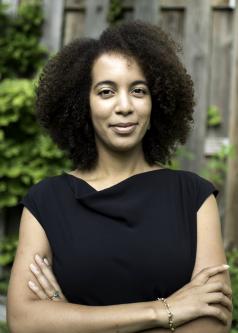 Farah Peterson
Professor of Law, University of Chicago Law School
Farah Peterson
Professor of Law, University of Chicago Law School
Farah Peterson is a Professor of Law at the University of Chicago Law School and a legal historian of the early American republic. Her scholarship on constitutional and statutory interpretation has appeared in the Yale Law Journal, Columbia Law Review, and Virginia Law Review, and argues that the flexible, purposive approach to reading the Constitution so often set against originalism was in fact the founding generation's own. That work speaks directly to the Article V question of when constitutional change must come through formal amendment and when it can come through interpretation. She is a member of the Brennan Center's Historians Council on the Constitution and a trustee of the Supreme Court Historical Society. An award-winning essayist as well as a scholar, she won a Pushcart Prize for "Alone with Kindred." She clerked for Justice Stephen Breyer and Judge Guido Calabresi. J.D. Yale; Ph.D. in history, Princeton.
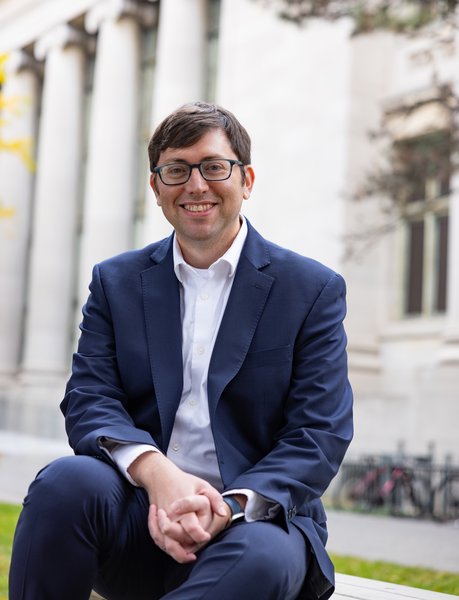 Richard ReModerator
Professor of Law, Harvard Law School
Richard ReModerator
Professor of Law, Harvard Law School
Richard M. Re is a Professor of Law at Harvard Law School, where he teaches and writes on constitutional law, federal courts, and criminal procedure. He joined Harvard in 2025 from the University of Virginia, where he held the Elizabeth D. and Richard A. Merrill Professorship, and previously taught at UCLA. Much of his scholarship bears on how constitutional law changes and who gets to change it: in "Promising the Constitution" (Northwestern University Law Review), he argues that the constitutional oath binds officials to the document as it stands, with Article V supplying the recognized "change rule" that legitimates departures from it. Related work — including "Personal Precedent at the Supreme Court" (Harvard Law Review) — examines judicial revision as an informal alternative to formal amendment. Re clerked for Judge Brett Kavanaugh and Justice Anthony Kennedy and served in the Justice Department. A.B. Harvard; M.Phil. Cambridge; J.D. Yale.
Coffee & Conversation · Saturday, October 3 · 10:35 – 10:55 AM
Coffee & Conversation
Professor Lawrence Lessig will interview Joe Penland, Sr. and David Walker about their grassroots Article V advocacy while attendees enjoy coffee and beverages.
Lawrence Lessig
Roy L. Furman Professor of Law and Leadership, Harvard Law School
Lawrence Lessig is the Roy L. Furman Professor of Law and Leadership at Harvard Law School and a leading scholar of constitutional law, the regulation of cyberspace, and the corrupting influence of money in politics. He founded Creative Commons and, later, Equal Citizens, and his books include Code and Other Laws of Cyberspace, Free Culture, Republic, Lost, and They Don’t Represent Us. His essay “Making an Article V Convention Safe for Democracy” proposes pairing a convention with state citizen assemblies and delegate-binding rules to keep it tethered to majority will — a strategy that runs throughout this conference. He has argued before the U.S. Supreme Court and briefly sought the 2016 Democratic presidential nomination on a platform of democratic reform.
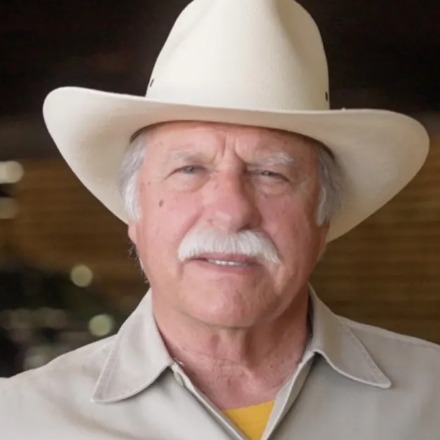 Joe Penland, Sr.
Founder and Chairman, Quality Mat Company · Founder, Joe from Texas
Joe Penland, Sr.
Founder and Chairman, Quality Mat Company · Founder, Joe from Texas
Joe Penland, Sr. is the founder and chairman of Quality Mat Company of Beaumont, Texas, which he started in 1974 after borrowing $2,550 to build the industry’s first pre-assembled ground-protection mats; the company is now the largest producer of rig, oilfield, and crane mats in the world. A former ironworker who began his career hanging iron on Gulf Coast bridges, he is the founder of Joe from Texas, a grassroots fiscal responsibility organization, and author of its “Contract from the American People,” which asks candidates to commit to a constitutional amendment binding Congress to pass a budget on time and stay on it. He and his wife established the Penland Foundation in 2006 to support organizations in southeast Texas and Houston.
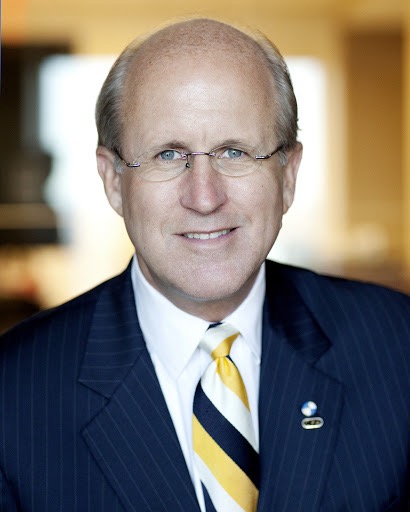 David Walker
Former Comptroller General of the United States
David Walker
Former Comptroller General of the United States
Dave is a nationally and internationally recognized fiscal responsibility, government transformation/ accountability, and retirement security expert. He is a non-practicing CPA with over 40 years of top executive level experience, including heading three federal agencies (two ERISA agencies), four non-profits, and a global service line for Arthur Andersen LLP. His most recent full-time federal position was as the seventh Comptroller General of the United States and CEO of the U.S. Government Accountability Office (GAO) for almost 10 years (1998-2008). This was one of his three Presidential appointments by Presidents from both political parties, with unanimous Senate confirmation each time. He also served as one of two Public Trustees for Social Security and Medicare from (1990-1995).
Dave is currently Chair of the Federal Fiscal Sustainability Foundation and President of We the People. He also serves on several other non-profit boards and advisory committees.
Panel II · Saturday, October 3 · 11:00 AM – 12:30 PM
THE GRAND BARGAIN: Substantive Amendment Proposals
David Walker
Former Comptroller General of the United States
Dave is a nationally and internationally recognized fiscal responsibility, government transformation/ accountability, and retirement security expert. He is a non-practicing CPA with over 40 years of top executive level experience, including heading three federal agencies (two ERISA agencies), four non-profits, and a global service line for Arthur Andersen LLP. His most recent full-time federal position was as the seventh Comptroller General of the United States and CEO of the U.S. Government Accountability Office (GAO) for almost 10 years (1998-2008). This was one of his three Presidential appointments by Presidents from both political parties, with unanimous Senate confirmation each time. He also served as one of two Public Trustees for Social Security and Medicare from (1990-1995).
Dave is currently Chair of the Federal Fiscal Sustainability Foundation and President of We the People. He also serves on several other non-profit boards and advisory committees.
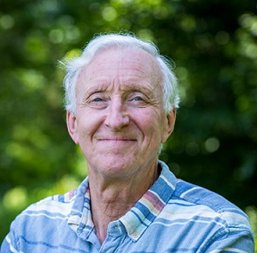 Jim Rubens
Former New Hampshire State Senator
Jim Rubens
Former New Hampshire State Senator
Jim Rubens has served as a New Hampshire state senator and chair of the New Hampshire GOP platform committee. He is a longtime constitutional amending activist and serves on the boards of American Promise, which advocates for a campaign finance amendment, and the Federal Fiscal Sustainability Foundation, which advocates for a fiscal restraint amendment. He publishes the weekly Substack, Inside Amending.
Michael Farris
Co-Founder and Senior Advisor, Convention of States Project
Michael Farris is co-founder and Senior Advisor of the Convention of States Project. A constitutional litigator, he has argued before the appellate courts of thirteen states, eight federal circuit courts of appeals, and twice before the Supreme Court of the United States, where in 2018 he successfully argued NIFLA v. Becerra. He is the founding president of Patrick Henry College and of the Home School Legal Defense Association, and previously served as president and CEO of Alliance Defending Freedom. He has written more than fifteen books, including a constitutional law textbook, along with numerous law review articles and pieces in the popular press.
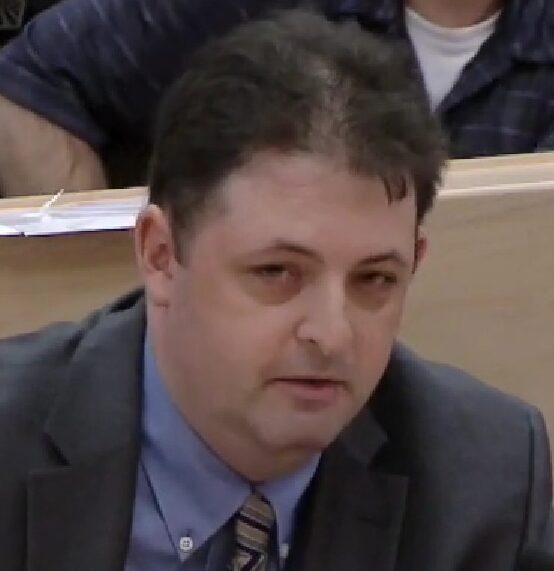 Samuel Fieldman
National Counsel of Wolf Pack (formerly WolfPAC)
Samuel Fieldman
National Counsel of Wolf Pack (formerly WolfPAC)
Samuel Fieldman is a prominent Article V advocate and the Legal and Legislative Delegate for Wolf Pack, which is working to pass a constitutional amendment addressing the influence of money in American politics. Fieldman joined Wolf Pack at its founding (previously WolfPAC) as a young lawyer looking for a way to fight for the future of his soon-to-be-born twin girls, and has since helped advance its campaign-finance reform efforts through state legislatures across the country. As a leading expert on the convention for proposing amendments, he is the namesake of the Samuel Fieldman Article V Library at the National Federalism Commission. Fieldman has testified before dozens of state legislatures and presented before law schools, civic organizations, and lawmakers, participating in public discourse and formal debates with both experts and opponents. In addition to Wolf Pack, he has done convention research for the Federal Fiscal Sustainability Foundation, the Massachusetts Citizens Commission, and the National Federalism Commission and collaborated with national good government groups including Rank the Vote and American Promise.
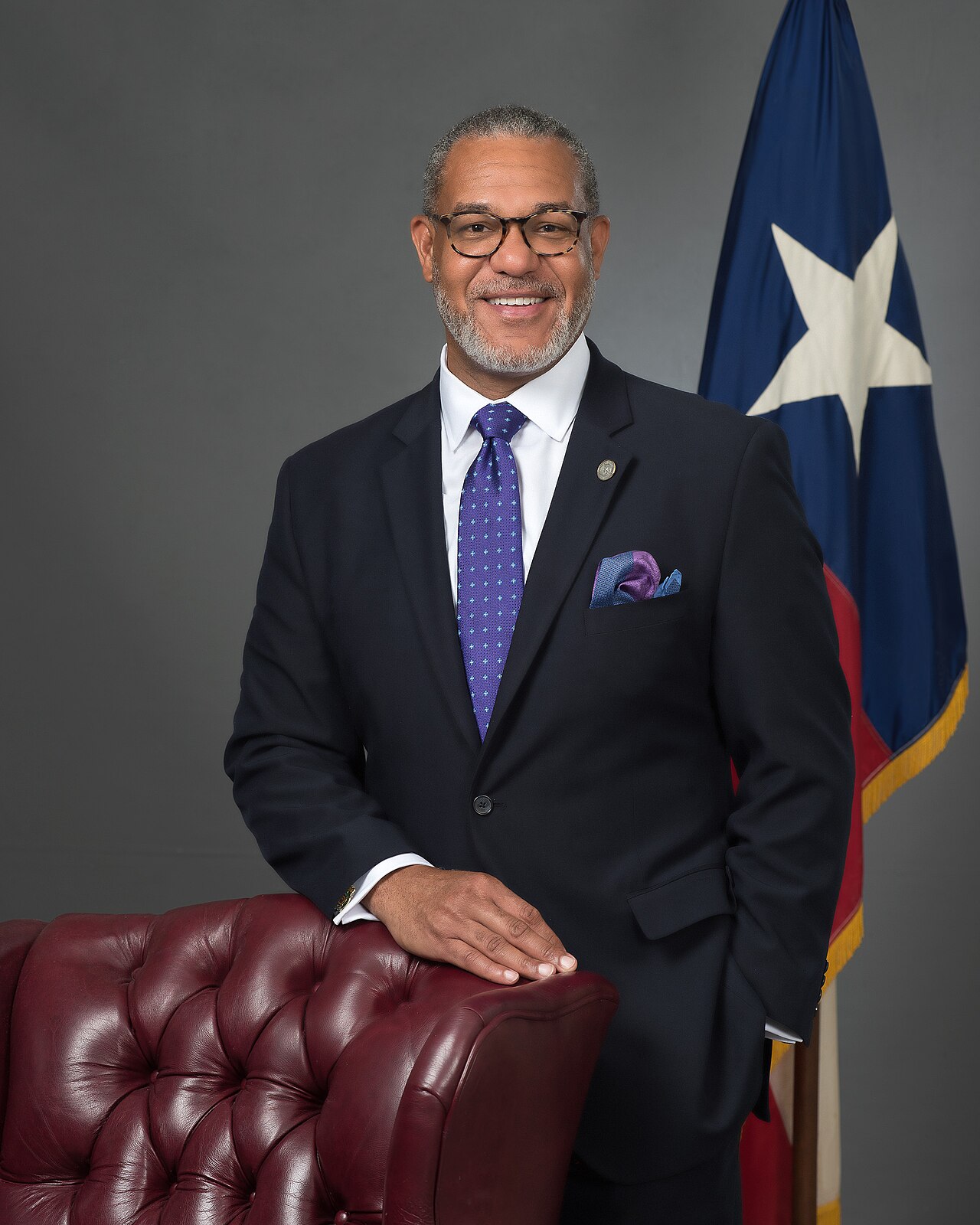 Hon. Jarvis Johnson
Former Texas State Representative; Texas State Co-Chair, U.S. Term Limits
Hon. Jarvis Johnson
Former Texas State Representative; Texas State Co-Chair, U.S. Term Limits
Jarvis Johnson is a former Texas State Representative and a leading voice for congressional term limits. He served in the Texas House of Representatives from 2016 to 2025 and on the Houston City Council from 2006 to 2012, and brings more than three decades of public service to the term limits movement. As Texas State Co-Chair of U.S. Term Limits, he leads the effort to secure Texas’s support for a term limits amendment through Article V, working across party lines to build the state-legislative coalition the amendment requires.
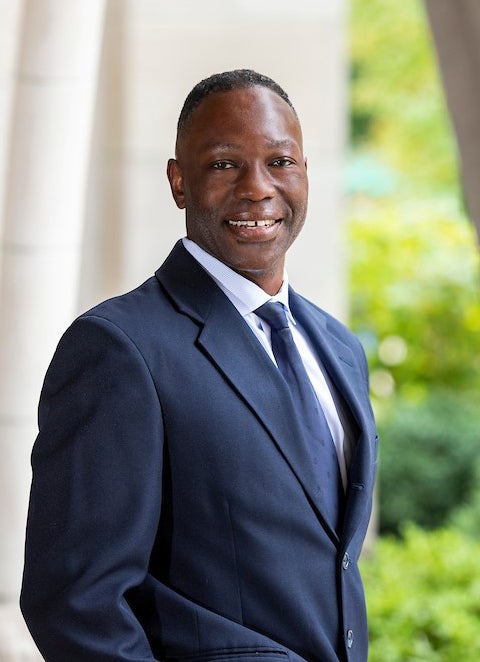 Guy-Uriel CharlesModerator
Charles J. Ogletree, Jr. Professor of Law, Harvard Law School
Guy-Uriel CharlesModerator
Charles J. Ogletree, Jr. Professor of Law, Harvard Law School
Guy-Uriel E. Charles is the inaugural Charles J. Ogletree, Jr. Professor of Law at Harvard Law School and faculty director of the Charles Hamilton Houston Institute for Race & Justice. He writes about how law mediates political power and how law addresses racial subordination, and teaches election law, constitutional law, race and the law, and civil procedure. His work on the Reconstruction and voting rights amendments — including a forthcoming book with Luis Fuentes-Rohwer on the past and future of the Voting Rights Act — engages a central Article V puzzle: what formal amendments can and cannot accomplish on their own, and why the Fifteenth Amendment required a statute to make it real. Appointed by President Biden to the Presidential Commission on the Supreme Court of the United States, he is a member of the American Academy of Arts & Sciences and the American Law Institute. Previously on the faculties of Duke and Minnesota. J.D. Michigan.
Lunch · Saturday, October 3 · 12:30 – 2:00 PM
A Fireside Chat with Governor Chris Sununu and Lawrence Lessig
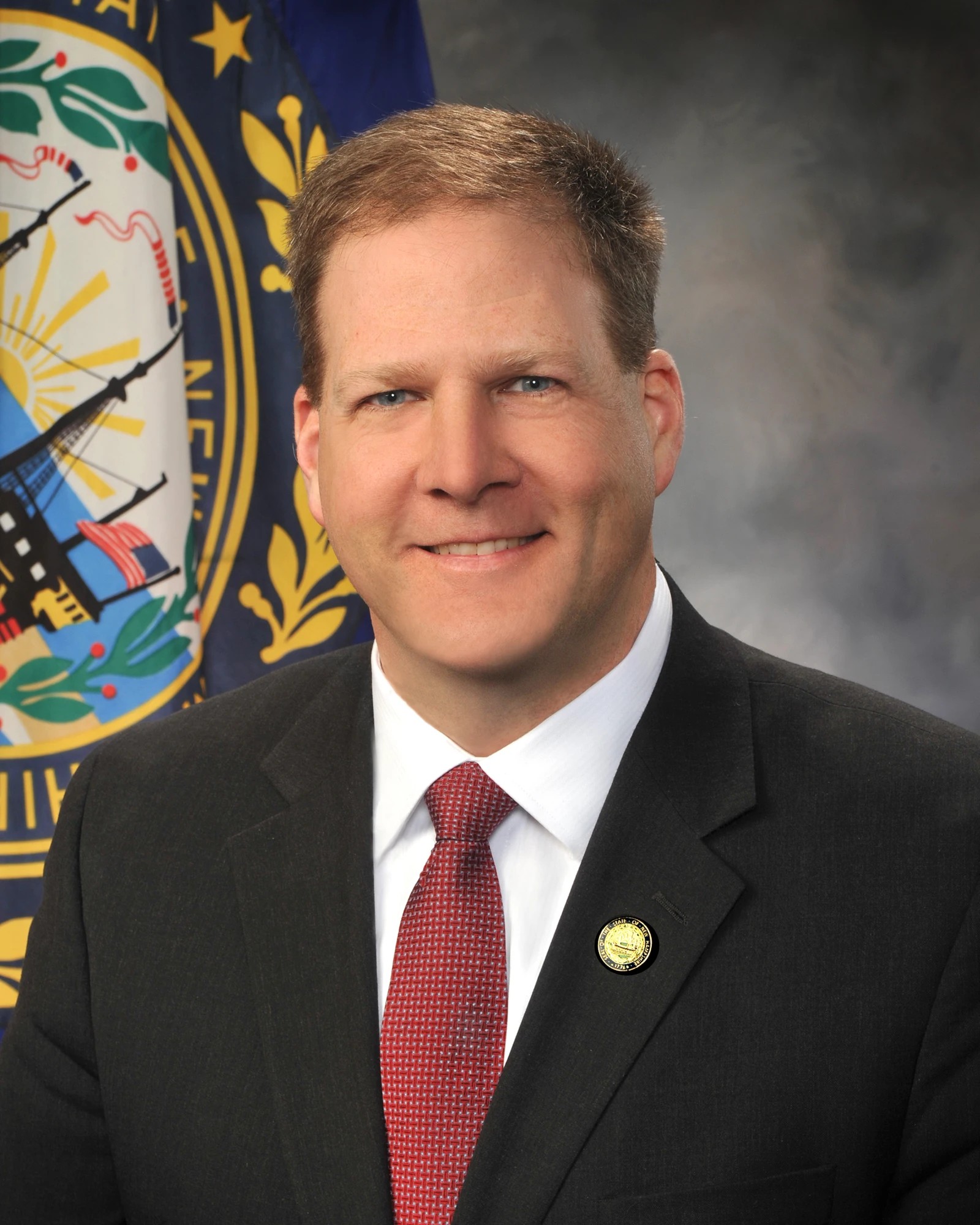 Chris Sununu
Former Governor of New Hampshire
Chris Sununu
Former Governor of New Hampshire
Chris Sununu served as the 82nd Governor of New Hampshire from 2017 to 2025, winning four consecutive terms and leaving office as one of the nation’s most popular governors. An engineer by training, he ran the family’s Waterville Valley ski resort and served on the New Hampshire Executive Council before entering the corner office. He built a reputation as a pragmatic, fiscally conservative Republican with an independent streak, frequently breaking with his party’s national leadership. He is the son of former Governor and White House Chief of Staff John H. Sununu and the brother of former U.S. Senator John E. Sununu.
Lawrence Lessig
Roy L. Furman Professor of Law and Leadership, Harvard Law School
Lawrence Lessig is the Roy L. Furman Professor of Law and Leadership at Harvard Law School and a leading scholar of constitutional law, the regulation of cyberspace, and the corrupting influence of money in politics. He founded Creative Commons and, later, Equal Citizens, and his books include Code and Other Laws of Cyberspace, Free Culture, Republic, Lost, and They Don’t Represent Us. His essay “Making an Article V Convention Safe for Democracy” proposes pairing a convention with state citizen assemblies and delegate-binding rules to keep it tethered to majority will — a strategy that runs throughout this conference. He has argued before the U.S. Supreme Court and briefly sought the 2016 Democratic presidential nomination on a platform of democratic reform.
Panel III · Saturday, October 3 · 2:00 – 3:15 PM
THE CASE AGAINST: Risks, Runaway Fears, and the ‘Dead Letter’ View
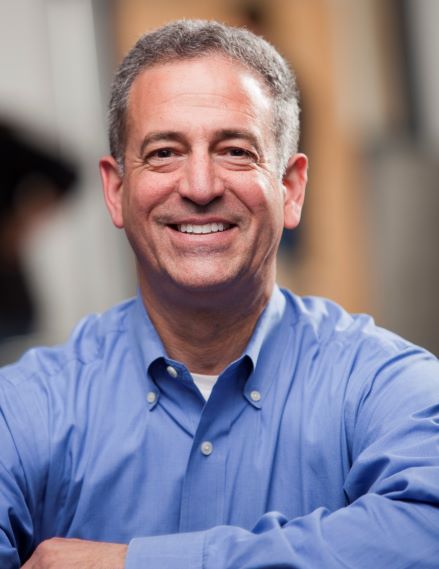 Russell Feingold
Former U.S. Senator from Wisconsin
Russell Feingold
Former U.S. Senator from Wisconsin
Russ Feingold is the former President (2020–2025) of the American Constitution Society and co-author of The Constitution in Jeopardy: An Unprecedented Effort to Rewrite Our Fundamental Law and What We Can Do About It (2022), which examines efforts to amend the Constitution through an Article V convention. He served as a U.S. Senator from Wisconsin from 1993 to 2011, where he chaired or served as Ranking Member of the Senate Judiciary Committee's Constitution Subcommittee. During his Senate career, Feingold was known for his commitment to constitutional principles, including his lone vote against the initial USA PATRIOT Act and his leadership on campaign finance reform as co-sponsor of the Bipartisan Campaign Reform Act (McCain-Feingold). He has taught constitutional law and related subjects at Stanford, Yale, Harvard, and Marquette law schools. Feingold holds degrees from the University of Wisconsin–Madison, the University of Oxford (as a Rhodes Scholar), and Harvard Law School.
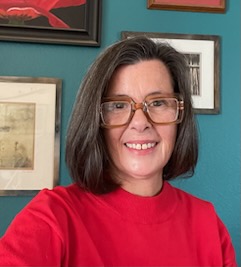 Viki Harrison
Policy Director, Common Cause
Viki Harrison
Policy Director, Common Cause
Viki Harrison joined Common Cause in January 2012. She currently serves as the Policy Director on the Civil Rights & Civil Liberties team. Viki leads our work on stopping a dangerous constitutional convention, advancing Supreme Court reform, and protecting our right to free speech in this country.
Before joining Common Cause, she was the Executive Director of NM Repeal, where she led a successful campaign to abolish the death penalty in New Mexico. Earlier in her career, she was the Program Manager for Animal Protection of NM, and part of the team that secured a ban on cockfighting in the state. Harrison graduated summa cum laude from the University of New Mexico with B.A. degrees in Women’s Studies and African American Studies.
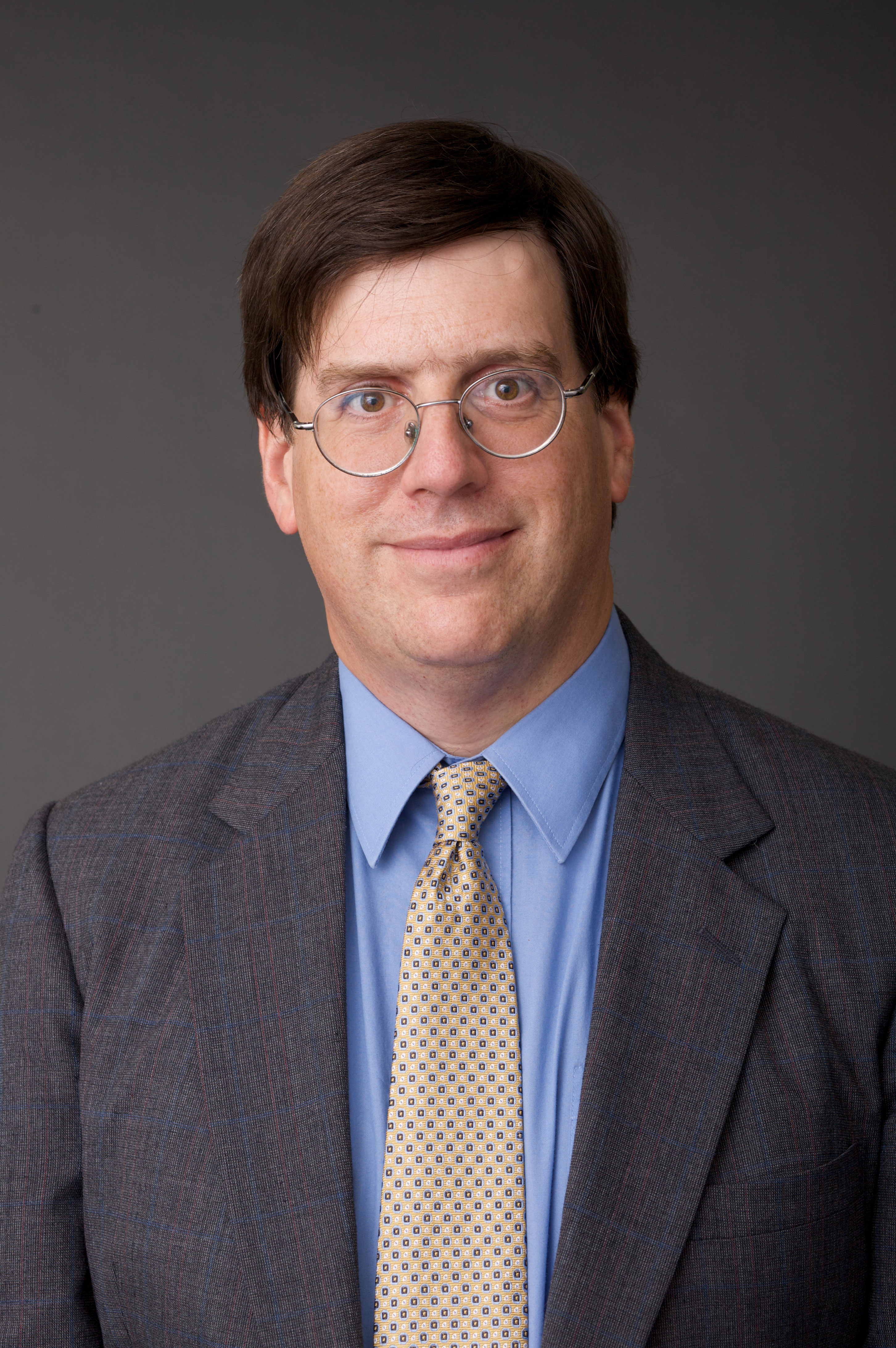 David Super
Carmack Waterhouse Professor of Law and Economics, Georgetown University Law Center
David Super
Carmack Waterhouse Professor of Law and Economics, Georgetown University Law Center
David A. Super is the Carmack Waterhouse Professor of Law and Economics at Georgetown University Law Center. At Georgetown, he studies Constitutional Law, Federal and State Budgets, Legislation, and Property Law, among other subjects. He has frequently spoken and written in opposition to an Article V convention, including a debate for “Intelligence Squared,” an appearance at the National Constitution Center, and testimony before the Legislatures of Alaska, Hawaii, Maine, New Jersey, South Carolina, West Virginia and other states. Prior to joining the academy, he was General Counsel of the Center on Budget and Policy Priorities and a staff attorney for Community Legal Services of Philadelphia.
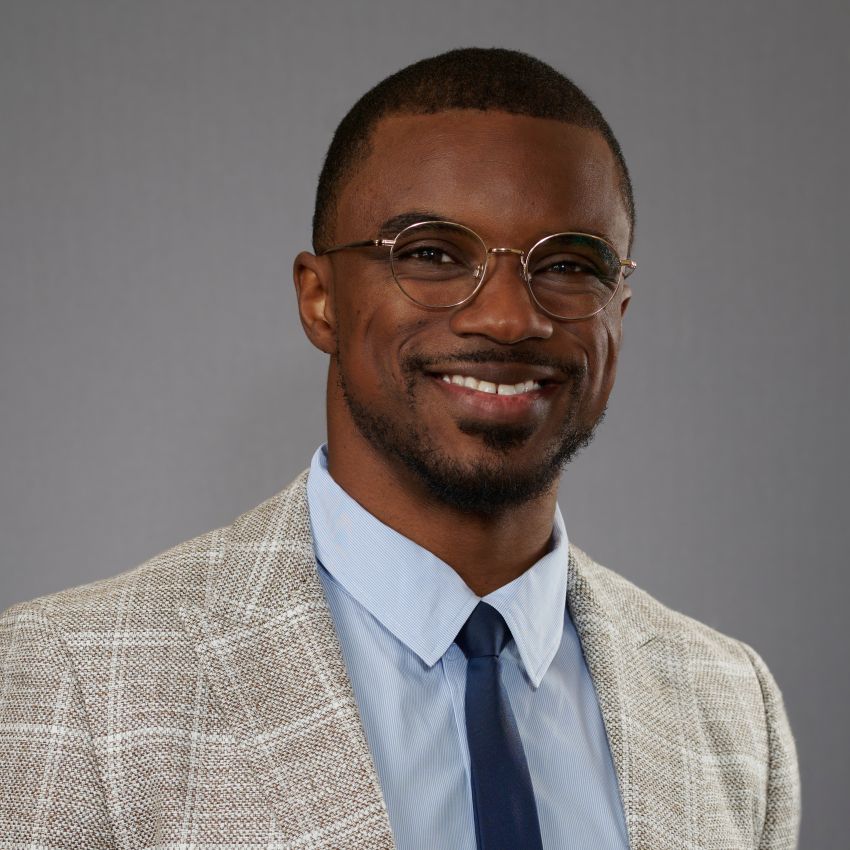 Wilfred Codrington III
Walter Floersheimer Professor of Constitutional Law, Cardozo School of Law
Wilfred Codrington III
Walter Floersheimer Professor of Constitutional Law, Cardozo School of Law
Wilfred U. Codrington III is the Walter Floersheimer Professor of Constitutional Law and co-director of the Floersheimer Center for Constitutional Democracy at Cardozo School of Law. He is also a fellow at the Brennan Center for Justice at N.Y.U. School of Law. A leading public law expert, his research, teaching, and advocacy focus on voting, elections, and the law of democracy; constitutional law, including constitutional theory and reform; and civil rights, anti-discrimination, and the role of race in the law. Professor Codrington is the co-author of the 2021 book The People’s Constitution: 200 Years, 27 Amendments, and the Promise of a More Perfect Union (New Press), a narrative history of amendments to the U.S. Constitution and call for a renewed popular commitment to progressive constitutional reform. His other scholarship appears or is forthcoming in several law reviews and journals, including the Columbia Law Review Forum, Harvard Law & Policy Review, Minnesota Law Review, N.Y.U. Law Review, and Washington & Lee Law Review, as well as in book chapters and other academic compilations. Codrington is a frequent commentator in national and international media, with essays and op-eds featured in outlets including The American Prospect, The Atlantic, The Hill, Politico, Slate, and U.S. News & World Report.
Prior to joining the Cardozo Law faculty in July 2024, Professor Codrington was an Associate Professor of Law and Dean’s Research Scholar at Brooklyn Law School. He has also taught at Texas A&M School of Law and N.Y.U. Wagner School of Public Service. Before the legal academy, he was the inaugural Bernard and Anne Spitzer Fellow at the Brennan Center for Justice and a counsel in the Brennan Center’s Democracy Program, a litigation associate at DLA Piper, a staffer for U.S. Congresswoman Eleanor Holmes Norton, and a law clerk for the Honorable Deborah Anne Batts, U.S. District Judge for the Southern District of New York. A first-generation college graduate, Codrington earned his undergraduate degree in philosophy from Brown University with honors, an MPA from the University of Pennsylvania, and a JD from Stanford Law School.
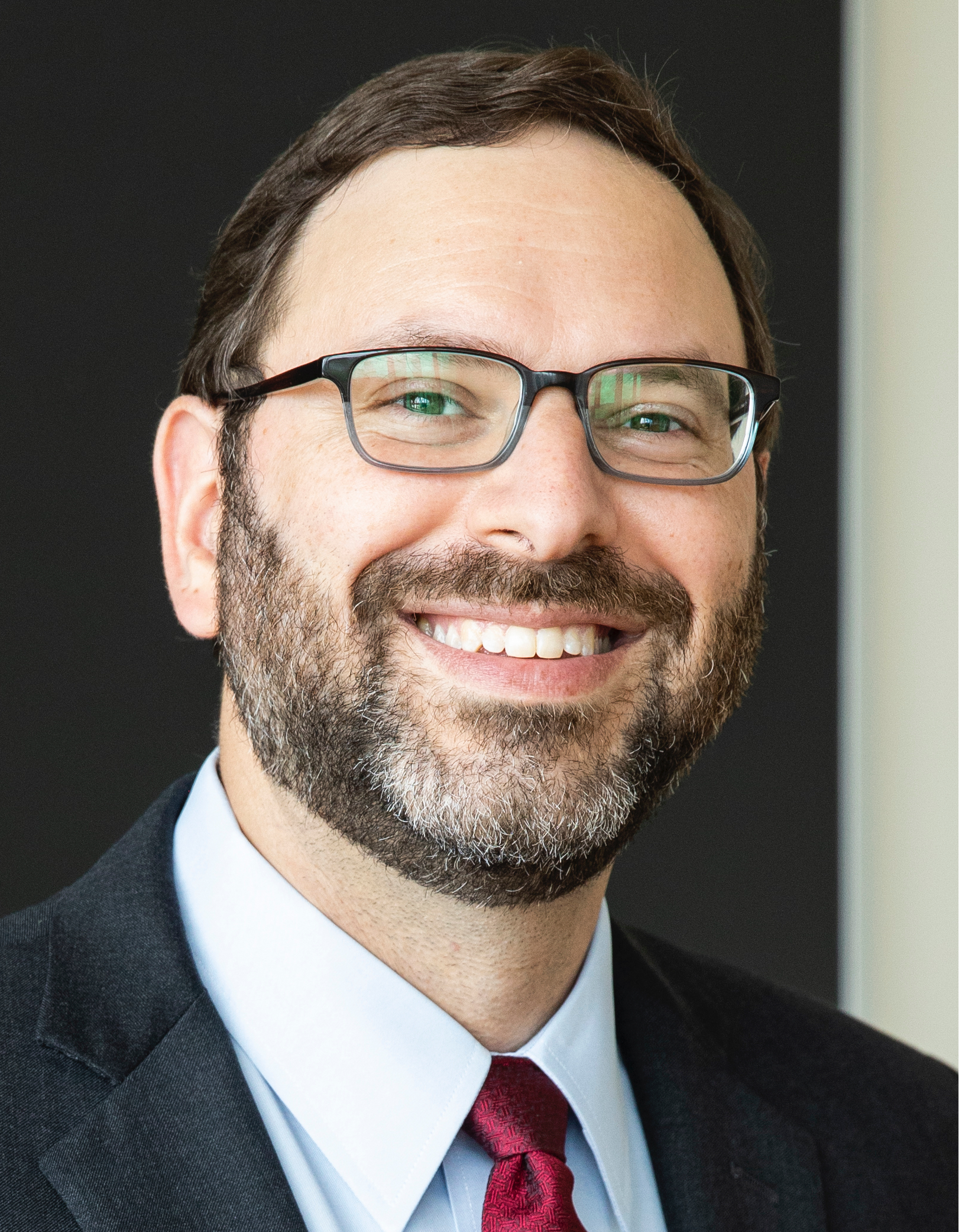 Stephen SachsModerator
Antonin Scalia Professor of Law, Harvard Law School
Stephen SachsModerator
Antonin Scalia Professor of Law, Harvard Law School
Stephen E. Sachs is the Antonin Scalia Professor of Law at Harvard Law School, where he teaches civil procedure, conflict of laws, federal courts, and seminars on constitutional law and jurisprudence. His research focuses on the law and theory of constitutional interpretation, the history of procedure and private law, and the role of the general common law in the U.S. legal system. Since February 2026, Sachs has served as the Reporter for the Advisory Committee on Appellate Rules of the Judicial Conference of the United States. He is an elected member of the American Law Institute, an adviser to the ALI’s project on the Restatement of the Law (Third), Conflict of Laws, a member of the Board of Directors of the Federalist Society and of the Yale Law Journal, and a founding member of the Academic Freedom Alliance.
Panel IV · Saturday, October 3 · 3:45 – 5:00 PM
BLUEPRINTS: State Conventions and International Models
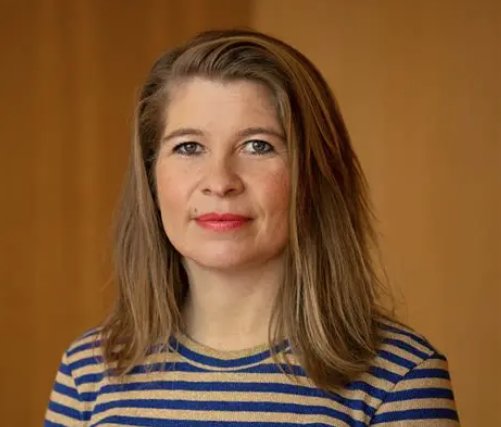 Katrín Oddsdóttir
Human rights and environmental lawyer · Icelandic Constitution Society
Katrín Oddsdóttir
Human rights and environmental lawyer · Icelandic Constitution Society
Katrín Oddsdóttir is an Icelandic human rights and environmental lawyer and one of the leaders of the Icelandic Constitution Society. In 2011 she was one of 25 citizens elected to Iceland's Constitutional Council, the body that produced what became known as the world's first crowdsourced constitution — drafted in public, with citizen input gathered through social media, in the aftermath of the 2008 banking collapse and the “Pots and Pans Revolution.” In a 2012 national referendum, roughly two-thirds of voters endorsed the draft as the basis for a new constitution; Iceland's parliament has never enacted it, and Katrín has led the campaign for its adoption ever since. Her experience offers a rare working model of citizen-led constitutional drafting for anyone thinking about how an Article V convention might actually be composed, run, and legitimated. She practices at the Réttur law firm focusing currently on the rights of nature. She has travelled worldwide giving talks about the Icelandic constitutional process and has lectured in constitutional law, alternative dispute resolution and refugee law at Reykjavík University.
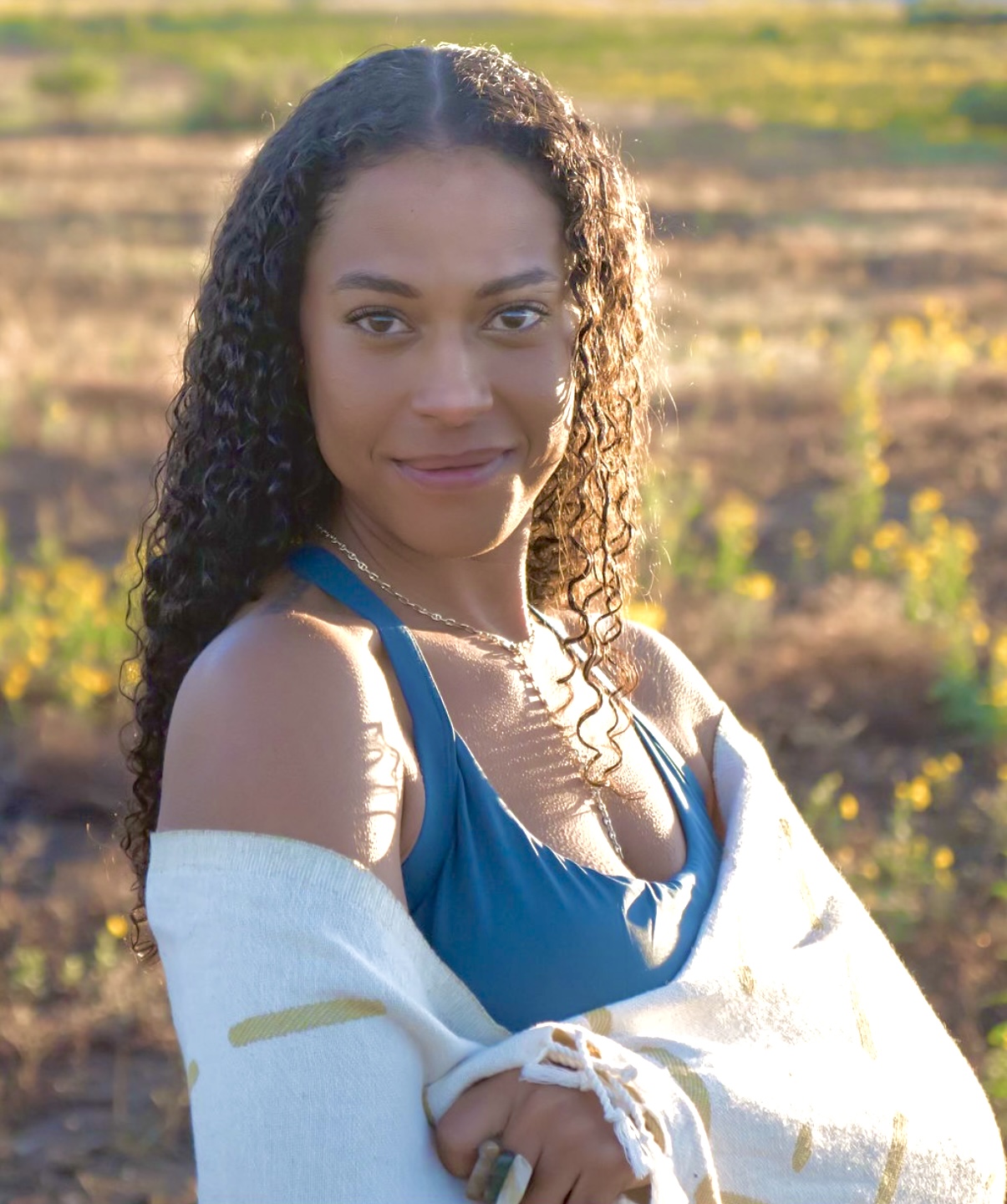 Imani Daniel
Delegate to the Sixth Constitutional Convention of the Virgin Islands of the United States of America
Imani Daniel
Delegate to the Sixth Constitutional Convention of the Virgin Islands of the United States of America
Imani Daniel is an ancestral Virgin Islander and strategist advancing decolonization and sustainable development in small island nations. She is the founder and Primary Visionary of the Virgin Islands Institute for Social Impact, Opulence, and Noetics, Inc. (VIISION), built to coordinate a holistic and human-centered approach to promote and measure social impact initiatives in the VI. Imani’s expertise is in systems management, community development, disaster management, climate justice, food sovereignty, public health, and self-determination. In 2024, she was elected as a Delegate and Secretary to the Sixth Constitutional Convention of the Virgin Islands. This is the world’s first digital Convention and is shaping a futuristic, people-centered, Afro-Caribbean collection of rights and governance structure for the Virgin Islands. Imani is also a ‘25–’26 Obama Foundation USA Leader, a Right to Democracy Fellow, and Board President of the Family Resource Center. She finds joy in building with those who move resources, shift power, and co-create what can and must come next.
.jpg) Richard Albert
Hines H. Baker and Thelma Kelley Baker Chair in Law, University of Texas at Austin
Richard Albert
Hines H. Baker and Thelma Kelley Baker Chair in Law, University of Texas at Austin
Richard Albert holds the Hines H. Baker and Thelma Kelley Baker Chair in Law at the University of Texas at Austin, where he is also Professor of Government and Director of Constitutional Studies. A counselor to multinational organizations, countries and political parties, he is currently the Constitutional Advisor to the Constitutional Convention of the U.S. Virgin Islands and an appointed member of the Constitutional Reform Committee of Jamaica. He has published over 30 books on constitution-building and democratic innovation, including “Constitutional Amendments: Making, Breaking, and Changing Constitutions” (Oxford University Press). He is the Founding Director of the International Forum on the Future of Constitutionalism, the immediate-past Co-President of the International Society of Public Law, and a former law clerk to the Chief Justice of Canada. Richard Albert holds law and political science degrees from Yale, Oxford, and Harvard.
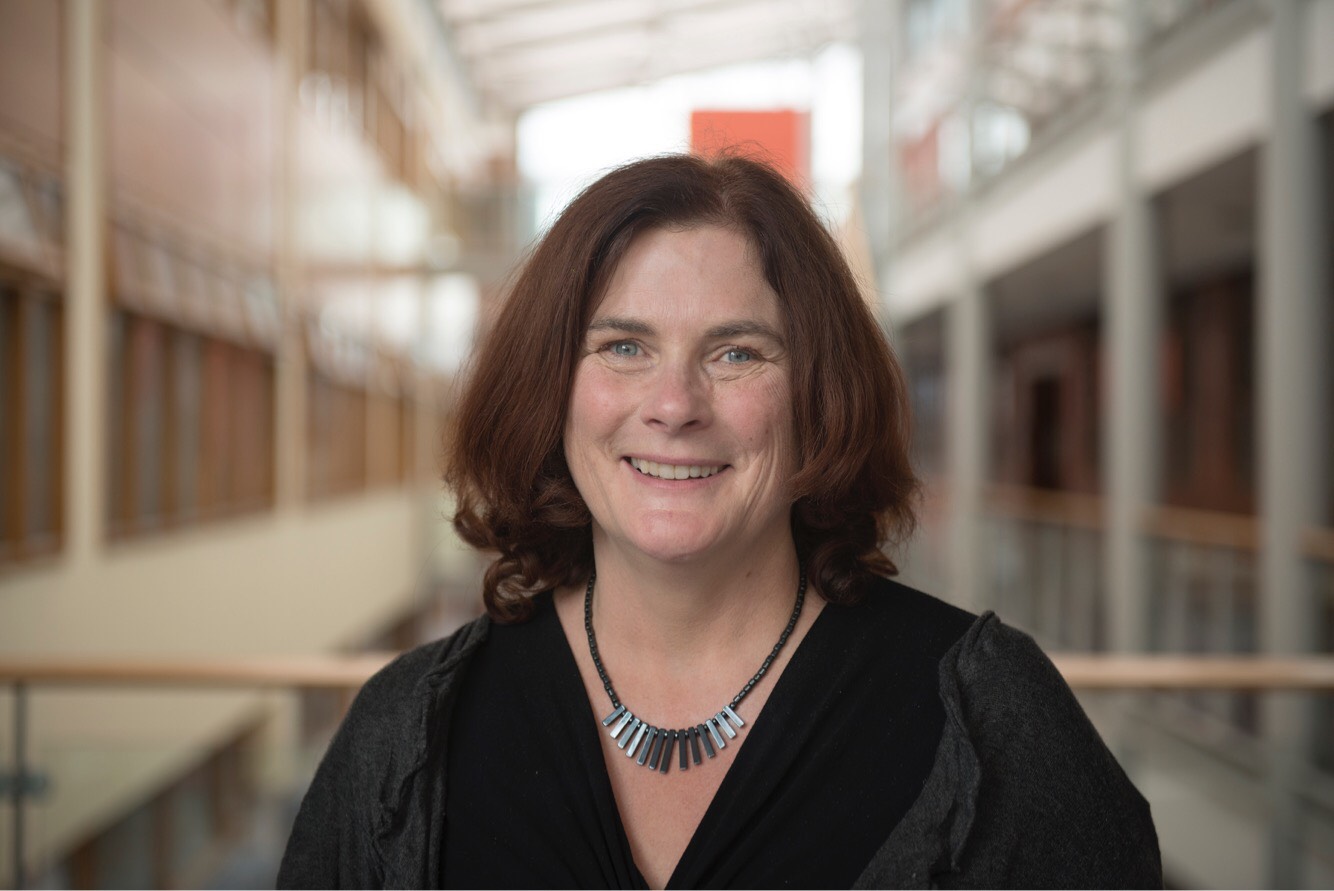 Jane Suiter
Professor of Political Communication, Dublin City University
Jane Suiter
Professor of Political Communication, Dublin City University
Jane Suiter is Full Professor of Political Communication at Dublin City University, director of DCU's Institute for Future Media, Democracy and Society, and an Irish Research Council Laureate. She has been involved in research and oversight capacities on the Irish Citizens' Assemblies (2012–2022) and was a founder member of We the Citizens (2011), Ireland's first deliberative experiment. She is a member of the OECD's network on democracy and sits on the advisory board of the Federation for Innovation in Democracy Europe (FIDE), advising globally on citizens' assemblies. She has testified at the OECD, the European Parliament, the UN and the UNDP. She was joint winner of the Brown Democracy Medal in 2019, received the President's Award for Research, and was named the Irish Research Council's Researcher of the Year in 2020.
 David F. Guldenschuh
Publisher, Article V Convention Legislative Progress Report
David F. Guldenschuh
Publisher, Article V Convention Legislative Progress Report
David F. Guldenschuh is an attorney and publisher of the Article V Convention Legislative Progress Report, a national tracker of the status of Article V legislation across the country. In September 2017 the Georgia legislature appointed him a commissioner to the Arizona Planning Convention of States, the first national gathering of states since 1861, where he was elected Secretary of the Convention. He is a founding member of the National Federalism Commission and has served as its Secretary since its founding. He has traveled to 27 states and spoken to state legislators nationwide on the powers states hold under Article V, and has authored constitutional publications cited in Congressional Research Service reports to Congress. A policy advisor to the Heartland Institute, he is a 1981 cum laude graduate of the University of Notre Dame Law School.
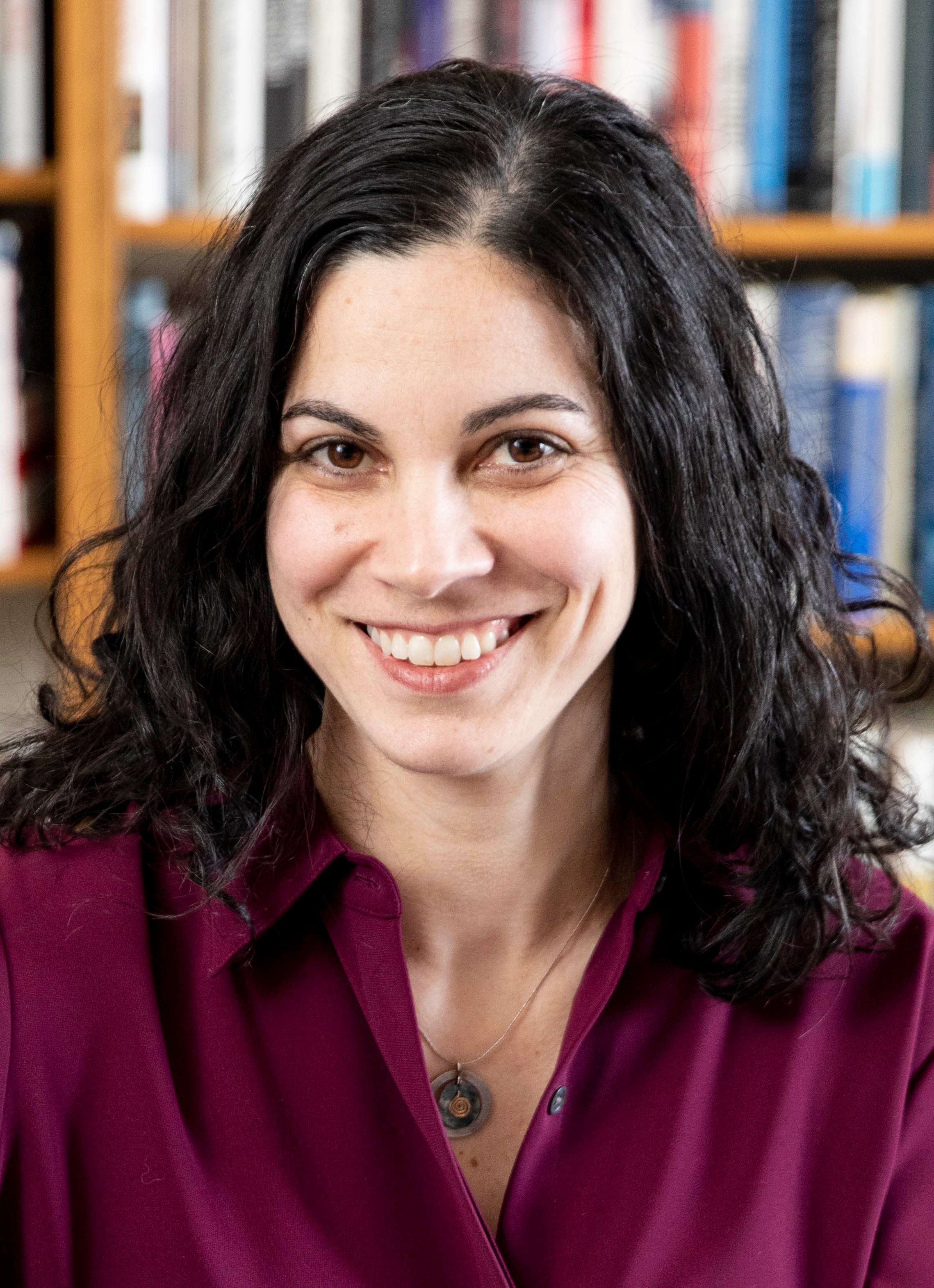 Laura WeinribModerator
Fred N. Fishman Professor of Constitutional Law, Harvard Law School
Laura WeinribModerator
Fred N. Fishman Professor of Constitutional Law, Harvard Law School
Laura Weinrib is the Fred N. Fishman Professor of Constitutional Law at Harvard Law School, a faculty affiliate of the Harvard History Department, and a Suzanne Young Murray Professor at the Harvard Radcliffe Institute. A legal historian, she studies how social movements have transformed constitutional categories to pursue political and economic change — a lens that bears directly on the Article V question of how constitutional meaning shifts alongside, outside, and sometimes instead of formal amendment. She is the author of The Taming of Free Speech: America's Civil Liberties Compromise (Harvard, 2016), which traces how a court-centered conception of civil liberties displaced more radical alternatives in the early twentieth century. She is currently writing a history of unions, corporations, and money in politics in postwar America. Before joining Harvard in 2019, she was Professor of Law at the University of Chicago. J.D. Harvard; Ph.D. in history, Princeton.
Panel V · Saturday, October 3 · 5:30 – 6:45 PM
THE FUTURE: Imagining an Article V Convention in 2030
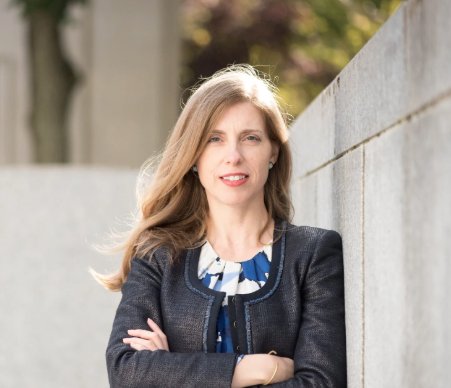 Hélène Landemore
Professor of Political Science, Yale University
Hélène Landemore
Professor of Political Science, Yale University
Hélène Landemore is Professor of Political Science at Yale University, where she teaches political theory and writes on democratic theory, political epistemology, and constitutional theory. She is the author of Democratic Reason (2013), Open Democracy: Reinventing Popular Rule for the Twenty-First Century (2020), and Politics Without Politicians: The Case for Citizen Rule (2026). Open Democracy argues for centering political institutions on randomly selected "open mini-publics" rather than elected assemblies — a proposal with direct implications for how delegates to any future constitutional convention ought to be chosen. She has studied Iceland's 2011 participatory constitution-drafting process closely, observed France's Citizens' Convention for Climate, and was appointed to the governance committee of the French Citizens' Convention on End of Life. She has advised governments and reformers from France and Finland to Chile and Taiwan. Ph.D. Harvard; previously École Normale Supérieure and Sciences Po, Paris.
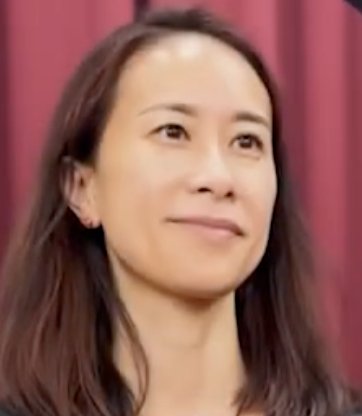 Dr. Alice Siu
Associate Director of the Deliberative Democracy Lab at Stanford University
Dr. Alice Siu
Associate Director of the Deliberative Democracy Lab at Stanford University
Dr. Alice Siu serves as the Associate Director of the Deliberative Democracy Lab and is a Senior Research Scholar at Stanford University’s Center on Democracy, Development, and the Rule of Law. She earned her Ph.D. from Stanford’s Department of Communication, specializing in political communication, deliberative democracy, and public opinion. Dr. Siu also holds bachelor’s degrees in economics, and Public Policy, as well as a master’s degree in political science, all from Stanford University. In her role, Dr. Siu has collaborated with policymakers and political leaders globally, providing guidance on implementing deliberative democratic practices in over 50+ countries and jurisdictions. Her research interests in deliberative democracy include the quality of deliberation, scaling deliberation to K-16, and scaling deliberation through technology for deliberative societies.
Beyond her research, Dr. Siu is actively involved in academia, teaching courses that bridge theory and practice in deliberative democracy. She leads the “Deliberative Democracy Practicum: Applying Deliberative Polling” during the autumn term and co-instructs “Artificial Intelligence and Deliberative Democracy” in the summer. These courses provide students with hands-on experience in organizing and analyzing deliberative polls, emphasizing the role of informed citizen engagement in democratic processes. She is also the voice and lead for the AI-assisted Stanford Online Deliberation Platform used in online Deliberative Polls, a collaboration with the Stanford Crowdsourced Democracy Team. Among other projects, she leads efforts for America in One Room Deliberative Polls, an ambitious project to create nationwide deliberations in the United States, and collaborates on the Meta Community Forums, a research endeavor to better understand how to govern digital technologies. She also serves as a board advisor to The Generation Lab, Close Up Foundation, advisor to Neutronian, and the Honorary Director of Deliberation and Panel Studies at Hong Kong Public Opinion Research Institute.
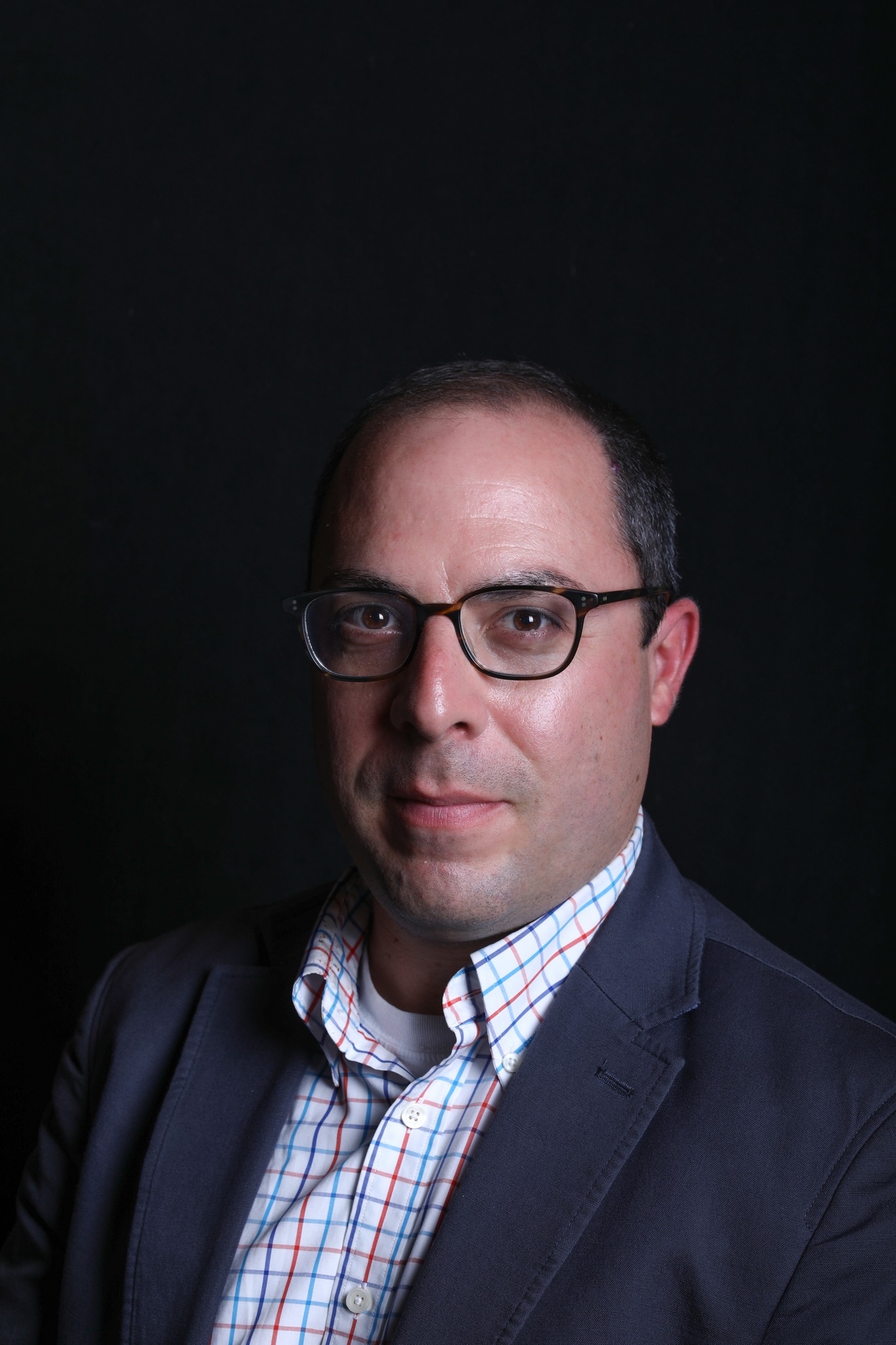 Nicholas Coccoma
Organizer and writer · Co-founder, Assemble America
Nicholas Coccoma
Organizer and writer · Co-founder, Assemble America
Nicholas Coccoma is an organizer, writer, and nonprofit leader working to advance democracy by lottery in the United States. He was a co-founder of Assemble America, a national advocacy organization for citizens' assemblies, and has held communications roles with FIDE – North America and #unifyUSA. He is the editor of The Similitude, a Substack publication, where he explores culture, politics, and religion. His writing has appeared in Boston Review, New Politics, Full-Stop Magazine, and other platforms. He holds an M.Div. from Boston College School of Theology and Ministry and degrees in philosophy and theatre.
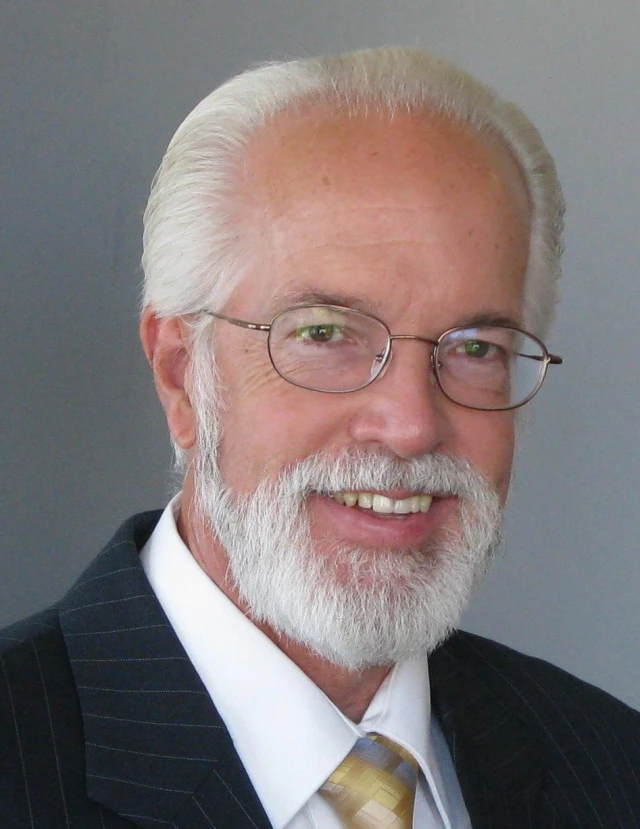 W. Bruce Lee
Executive Director, National Federalism Commission
W. Bruce Lee
Executive Director, National Federalism Commission
W. Bruce Lee is the Executive Director of the National Federalism Commission, a nonpartisan, inter-state body that studies and advocates for the states’ role in the Article V amendment process. Under his direction, the Commission has assembled the historical record of state applications spanning decades, research reflected in a comprehensive report prepared for the House Judiciary Committee. Through that research, his writing, and his testimony, he presses Congress and the state legislatures to treat Article V’s convention path as a functioning constitutional mechanism.
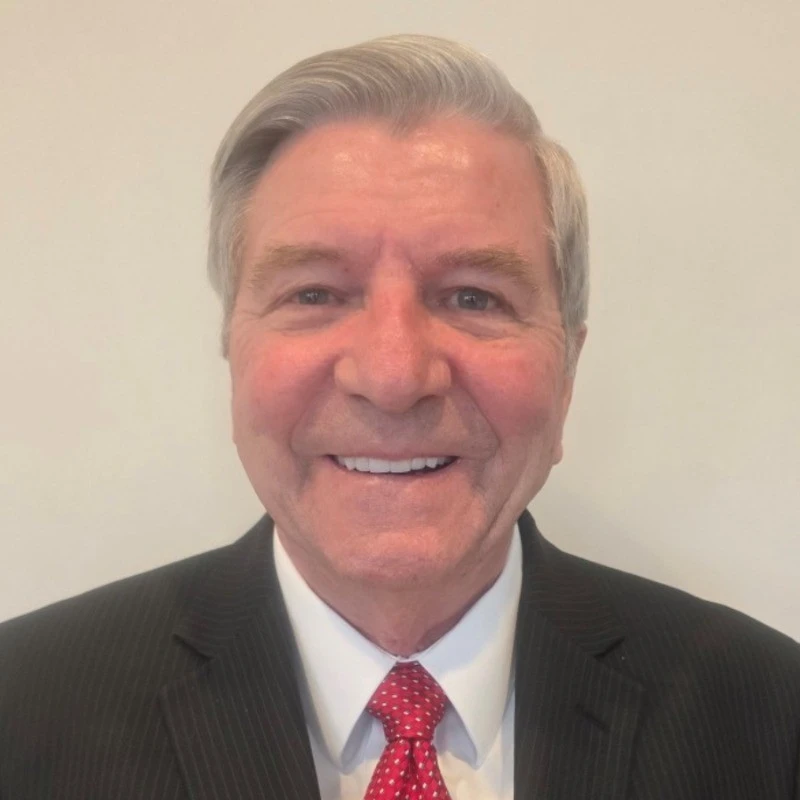 William Fruth
President, POLICOM Corporation
William Fruth
President, POLICOM Corporation
William H. Fruth is a co-founder of the Balanced Budget Amendment Task Force and has worked for more than a decade on the states’ role in the Article V amendment process. He was among the principal advocates behind the 2017 planning convention in Phoenix, the first convention of states in over 150 years seated by full legislative authority, convened to establish rules of procedure — credentialing, voting, self-governance — for a future amendments convention. An economist by training, he writes and speaks on the mechanics of the states’ constitutional amendment power.
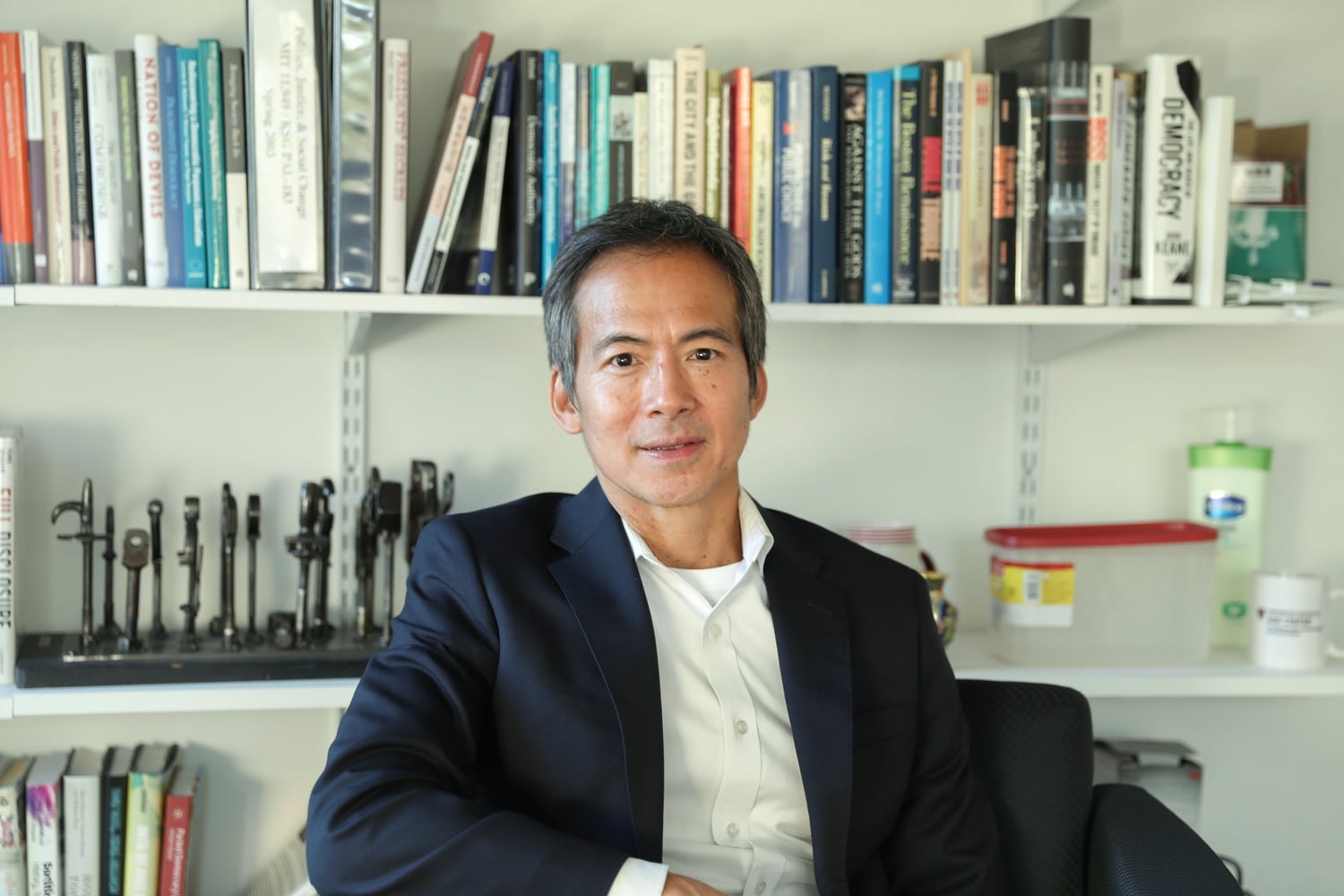 Archon FungModerator
Winthrop Laflin McCormack Professor of Citizenship and Self-Government, Harvard Kennedy School
Archon FungModerator
Winthrop Laflin McCormack Professor of Citizenship and Self-Government, Harvard Kennedy School
Archon Fung is the Winthrop Laflin McCormack Professor of Citizenship and Self-Government at the Harvard Kennedy School and director of the Ash Center for Democratic Governance and Innovation. His research examines the institutional designs — public participation, deliberation, transparency — that deepen the quality of democratic governance, work that bears directly on who would sit in an Article V convention and how such a body might actually deliberate. He co-founded Participedia, a crowdsourced global repository documenting participatory governance experiments, and co-directs the Transparency Policy Project. His books include Empowered Participation: Reinventing Urban Democracy, Full Disclosure: The Perils and Promise of Transparency (with Mary Graham and David Weil), and, as co-editor, When Democracy Breaks: Studies in Democratic Erosion and Collapse (Oxford, 2024). He served as academic dean of the Kennedy School from 2014 to 2018. Ph.D. in political science, MIT.
Dinner, Discussion, and Closing Remarks · Saturday, October 3 · 6:45 – 8:30 PM
Dinner, Discussion, and Closing Remarks
Dinner: Professor Lawrence Lessig in conversation with convention skeptic Laurence Tribe. Closing remarks of Lessig and Farris.
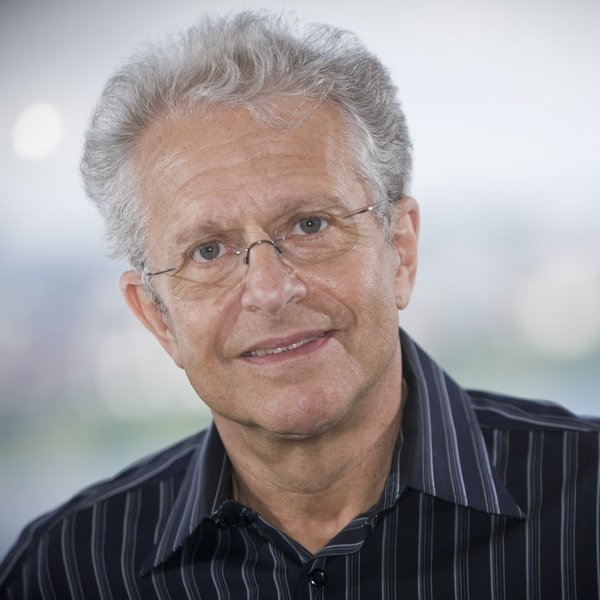 Laurence Tribe
Carl M. Loeb University Professor Emeritus, Harvard Law School
Laurence Tribe
Carl M. Loeb University Professor Emeritus, Harvard Law School
Laurence Tribe is the Carl M. Loeb University Professor Emeritus at Harvard University, where he taught constitutional law for more than fifty years. He is the author of the treatise American Constitutional Law, the most frequently cited legal text on the subject, along with books including The Invisible Constitution, Uncertain Justice (with Joshua Matz), and To End a Presidency (with Joshua Matz). He has argued dozens of cases before the U.S. Supreme Court, co-founded the American Constitution Society, and served in 2010 as the first Senior Counselor for Access to Justice at the U.S. Department of Justice. He is a member of the American Academy of Arts and Sciences and the American Philosophical Society.
Lawrence Lessig
Roy L. Furman Professor of Law and Leadership, Harvard Law School
Lawrence Lessig is the Roy L. Furman Professor of Law and Leadership at Harvard Law School and a leading scholar of constitutional law, the regulation of cyberspace, and the corrupting influence of money in politics. He founded Creative Commons and, later, Equal Citizens, and his books include Code and Other Laws of Cyberspace, Free Culture, Republic, Lost, and They Don’t Represent Us. His essay “Making an Article V Convention Safe for Democracy” proposes pairing a convention with state citizen assemblies and delegate-binding rules to keep it tethered to majority will — a strategy that runs throughout this conference. He has argued before the U.S. Supreme Court and briefly sought the 2016 Democratic presidential nomination on a platform of democratic reform.
Michael Farris
Co-Founder and Senior Advisor, Convention of States Project
Michael Farris is co-founder and Senior Advisor of the Convention of States Project. A constitutional litigator, he has argued before the appellate courts of thirteen states, eight federal circuit courts of appeals, and twice before the Supreme Court of the United States, where in 2018 he successfully argued NIFLA v. Becerra. He is the founding president of Patrick Henry College and of the Home School Legal Defense Association, and previously served as president and CEO of Alliance Defending Freedom. He has written more than fifteen books, including a constitutional law textbook, along with numerous law review articles and pieces in the popular press.